

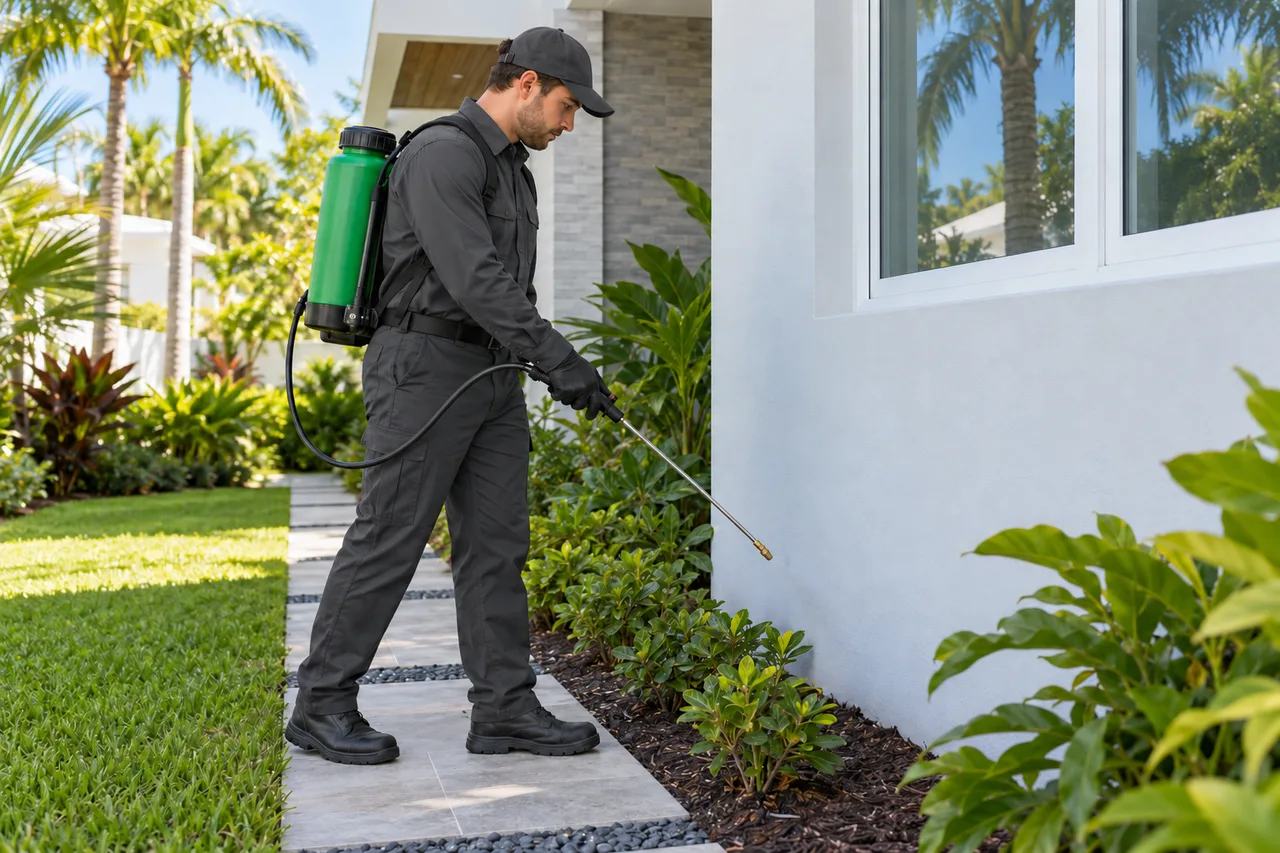
Are unwanted pests making themselves at home in your beloved space? Fear not! With some DIY pest control and prevention tips up your sleeve, you can reclaim your living area and keep those pesky critters at bay. Let's explore some effective and budget-friendly methods to prevent pests from infiltrating your home.
Identifying Common Pests
Before diving into prevention strategies, it's essential to understand the common pests that might be lurking in your home. From ants and cockroaches to mice and spiders, each pest requires a tailored approach for effective control. By knowing what you're up against, you can implement targeted prevention techniques to deter these unwelcome guests.
Sealing Entry Points
One of the most effective ways to prevent pests from entering your home is by sealing off potential entry points. Check for gaps or cracks in doors, windows, walls, and utility entry points such as vents and pipes. Use caulk or weatherstripping to seal any openings that could serve as gateways for pests looking to invade your living space.
Maintaining Cleanliness
Maintaining a clean and clutter-free environment is key to deterring pests from taking up residence in your home. Regularly sweep, vacuum, and mop floors to eliminate crumbs and food residues that attract insects. Keep kitchen counters and sinks free of dirty dishes, and take out the trash frequently to avoid providing food sources for pests.
Natural Deterrents
Focus on the conditions pests need: food, water, shelter, and access. Repair screens, close suitable gaps, remove standing water, keep food sealed, and reduce clutter. Plants and essential oils should not replace identification, exclusion, or a treatment plan.
Proper Food Storage
Pests are often attracted to food sources left exposed or improperly stored. Invest in airtight containers to store pantry items such as grains, cereals, and pet food. Make sure to clean up spills and crumbs promptly and avoid leaving open food containers on countertops. By eliminating easy access to food, you can significantly reduce the likelihood of attracting pests.
DIY Pest Control Products
For a hands-on approach to pest prevention, consider making your DIY pest control products. Natural ingredients like vinegar, baking soda, and citrus oils can be combined to create effective pest repellents for common insects. Sprinkle diatomaceous earth in areas prone to ant infestations or use a mixture of soap and water to combat aphids on indoor plants.
Regular Inspections
Stay proactive in your pest prevention efforts by conducting regular inspections of your home. Check dark, damp areas like basements, attics, and crawl spaces for signs of pest activity. Look for droppings, gnaw marks, or shredded materials that indicate the presence of pests and address any issues promptly to prevent infestations.
Conclusion
With these DIY pest prevention tips in your arsenal, you can take proactive steps to protect your home from unwanted intruders. By implementing simple yet effective strategies such as sealing entry points, maintaining cleanliness, using natural deterrents, and practicing proper food storage, you can create an inhospitable environment for pests. Remember, prevention is key when it comes to pest control, and with a little effort and creativity, you can keep your home critter-free and comfortable for you and your family.
Don't let pests take over your living space – take charge with these DIY pest prevention tips and enjoy a peaceful, pest-free home environment.
Regular maintenance helps reduce pest pressure. If activity continues, have the pest identified and discuss a targeted plan with a professional.