
Sounds After Dark
Roof rats are commonly active at night. Repeated movement overhead is a reason to investigate, especially with droppings or gnawing. Daytime or nighttime sounds alone do not rule an animal in or out.
Remove the animals. Close their way back in.
Rat and mouse control, attic inspections, and entry-point repairs across Broward and Miami-Dade.
Rat removal deals with animals already using your home. Rodent exclusion addresses the openings that let them in. SWAT Pest Squad considers both: we inspect accessible areas, explain the evidence, and recommend a plan for trapping, entry-point repairs, and follow-up. Cleanup or insulation work is assessed separately, so you can see what your property needs and what each part of the proposal covers.
Scratching, scurrying, or gnawing above a ceiling can be consistent with rodent activity, but sound alone cannot identify the animal. Wildlife, building movement, and other causes can sound similar. Note when the noise occurs and which rooms are affected; an inspection connects those observations with physical evidence.
Roof rats are commonly active at night. Repeated movement overhead is a reason to investigate, especially with droppings or gnawing. Daytime or nighttime sounds alone do not rule an animal in or out.
Droppings, chewed packaging, damaged stored items, rub marks, or nesting material can help establish where activity is happening. A single old sign does not tell you whether rodents are still present.
Repeated sightings, damaged screening, or openings near soffits and utility lines warrant a closer look. An outdoor rat sighting does not automatically mean rats are nesting inside your attic.
Before your visit: record the time and location of sounds, tell us about previous trapping or repairs, and send photos taken from a safe location. Leave roof and attic access to someone equipped to inspect those areas.
Roof rats can occupy attics, soffits, and wall voids in Florida. UF/IFAS explains rat and mouse behavior.
These services solve different parts of a rodent problem. A useful estimate identifies the evidence found, the areas included, and how progress will be checked.
Inspection and trapping focus on animals using the property now. Placement, servicing access, and follow-up are planned around the findings. Tell us about any traps or bait already in use.
Rat proofing addresses accessible structural openings. The estimate should specify the openings to be repaired and the materials proposed. A repair to one section is not a whole-home exclusion.
Cleanup and restoration depend on the materials affected and access. Insulation replacement is a separate scope to assess, not an automatic requirement for every rodent call.
Seeing a rat outdoors does not by itself establish an attic infestation. Explain where you saw it and whether it is recurring. We consider exterior activity, possible attractants, and building access separately before recommending trapping, repairs, or an ongoing maintenance plan.
Our rodent work coordinates removal, exclusion, and prevention. A roof rat concern in an attic can require a different approach from rodent activity in a kitchen or around the exterior. We inspect the building and explain the scope of trapping, repairs, maintenance, and restoration separately.
Accessible exterior and interior areas are inspected for droppings, rub marks, nesting, gnawing, and entry points. Rooflines, attics, crawlspaces, and the perimeter are checked where access allows. Traps are positioned according to activity with attention to children, pets, and servicing access. We explain the checking schedule and what to report between visits. Removal progress and repairs are coordinated around the findings; simply closing every opening without a removal plan can leave animals inside.
We look for vulnerable roof vents, plumbing stacks, utility penetrations, air-conditioning chase lines, roof returns, soffits, crawl vents, and garage-door seals. Repairs may use hardware cloth, heavy-gauge metal, concrete, suitable sealants, or other materials selected for the opening and structure.
When appropriate, tamper-resistant bait stations may be included around the exterior. Placement and maintenance follow the selected product and site conditions. Stations require regular inspection and servicing; bait is not a substitute for closing structural entry points.
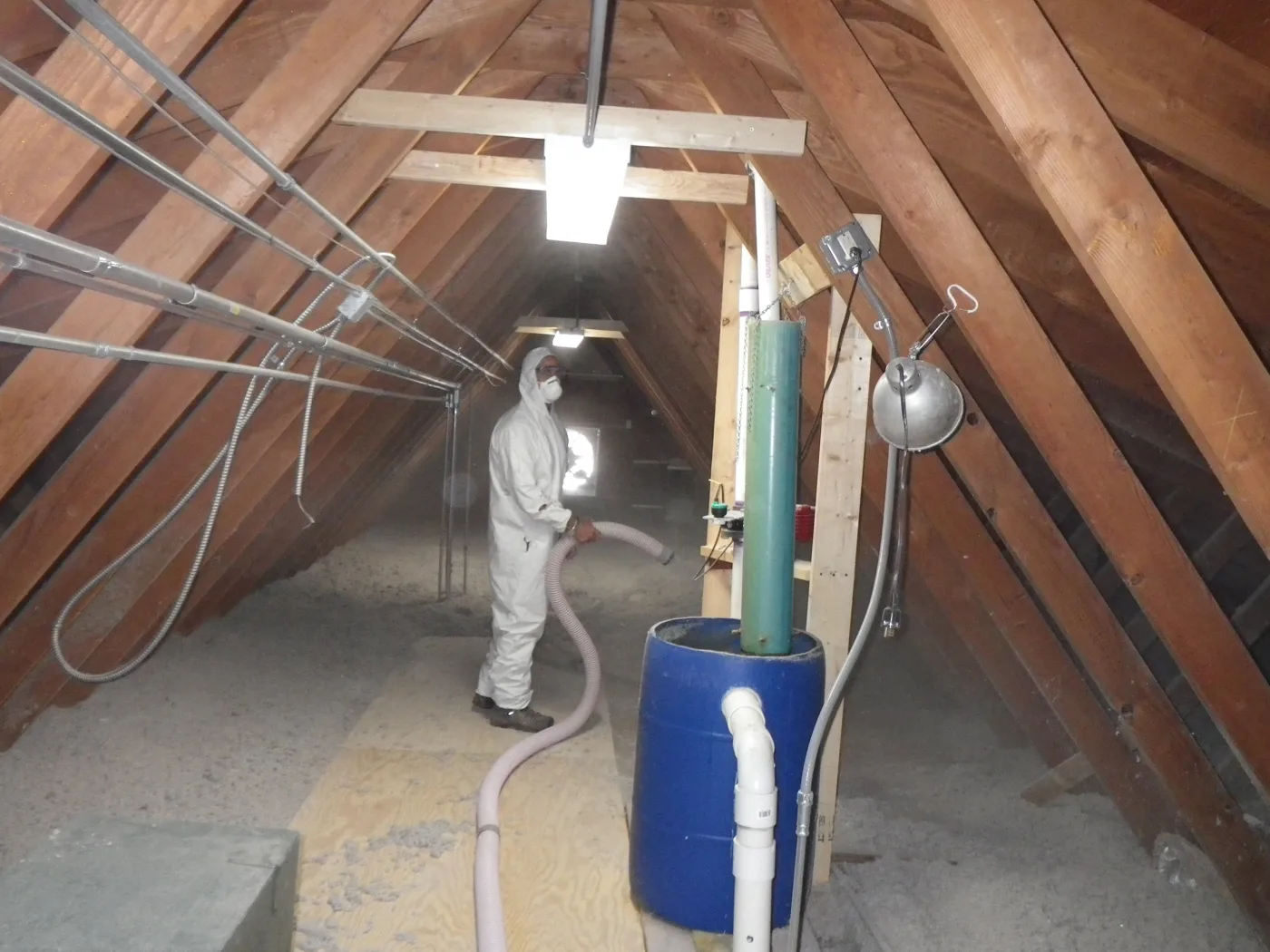
After activity is controlled, we assess soiled or damaged insulation and other affected materials. The restoration quote can include removal, cleanup, sanitation, and insulation replacement based on conditions and access. Any recommended ectoparasite treatment is discussed as part of the scope.
A useful rodent inspection considers the accessible interior, exterior, and attic together. We look for evidence of activity and potential entry routes, then explain what was observed, what could not be accessed, and which work is recommended.
Openings around air-conditioning or utility lines, damaged soffit screening, roof-to-wall junctions, vulnerable vents, and garage-door gaps can create access. The opening, attachment surface, and function of the building component determine the repair. Not every visible gap is an active rodent entry point.
Exclusion may involve fitted hardware cloth, metal, or other suitable materials secured to the structure. Foam or a surface patch alone may not provide a durable barrier. Repairs must also respect ventilation, drainage, and access needed for maintenance. Roofing, electrical, or structural defects may need the appropriate licensed trade.
Safe access, the extent of activity, number and condition of openings, trapping checks, and affected materials all influence the proposal. We distinguish targeted repairs from broader exclusion and identify any recommended cleanup separately. Ask which visits are included and what any written warranty covers before authorizing work.
Rodent activity can leave more to address than the animals themselves. These photos from our field experience show damaged attic duct coverings and exposed insulation—the kinds of findings we document when assessing a property.
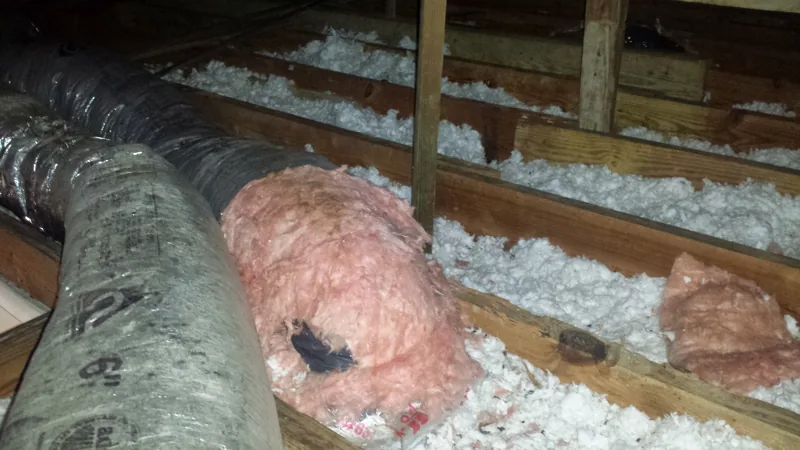
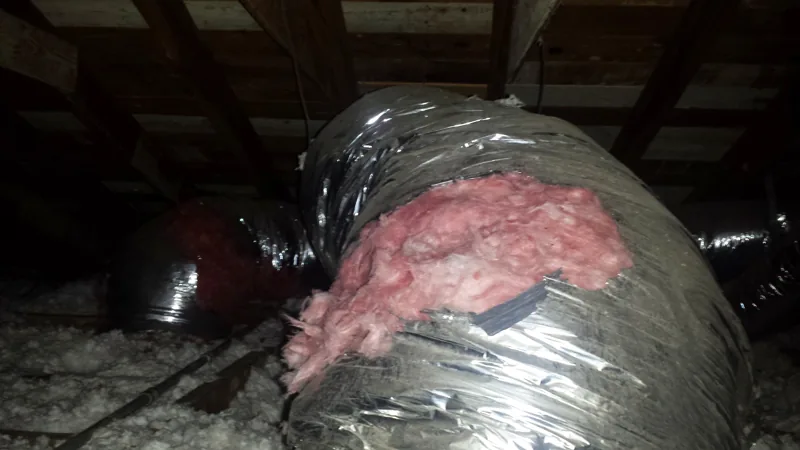
Removing rodents and closing their access points does not repair damaged ductwork or insulation. We document visible damage and discuss it alongside the removal and exclusion plan, so you understand which issues need attention.
A torn outer covering alone does not tell us the condition of the inner air duct or how much insulation needs replacement. The inspection findings determine the next steps. Duct repairs should be assessed by a qualified HVAC professional, and insulation recommendations should reflect the extent of damage or contamination rather than an automatic whole-attic replacement.
Request a rodent inspectionThese are photos of completed SWAT exclusion work in West Park and Miami Gardens. They show how different openings call for different repairs, rather than one material applied everywhere.
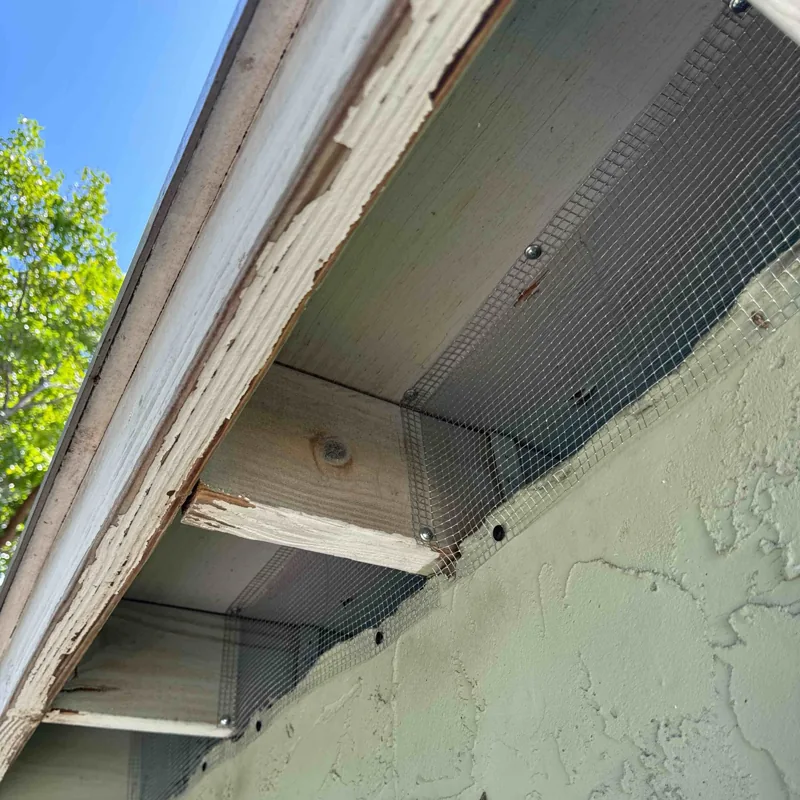
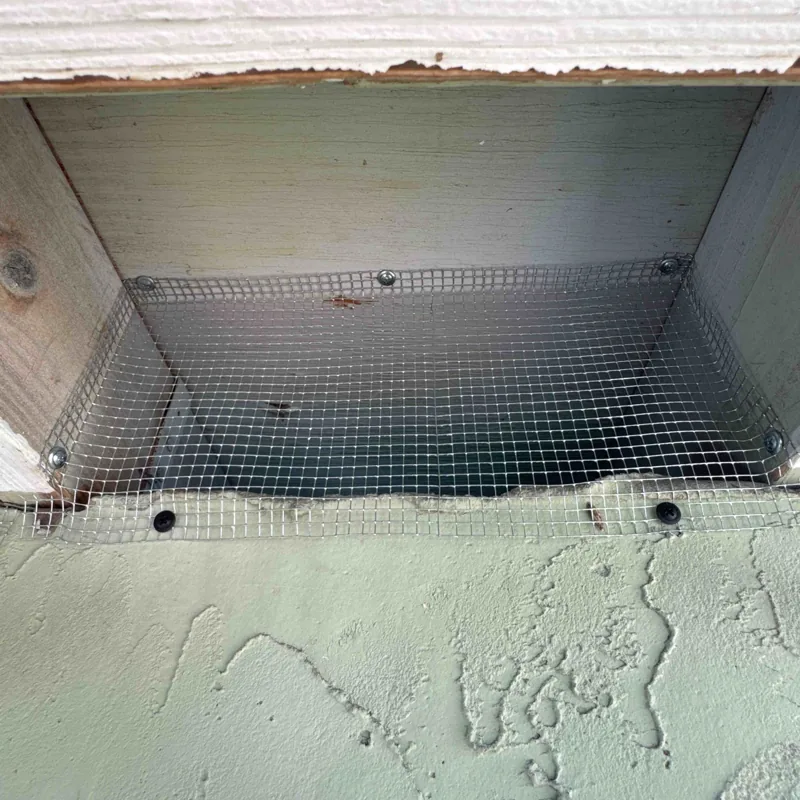
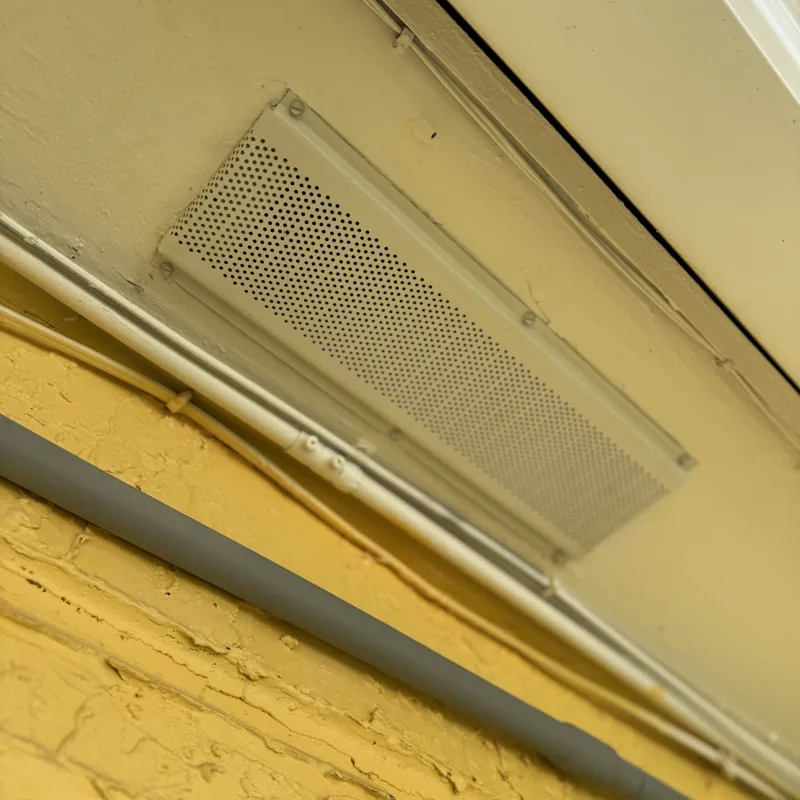
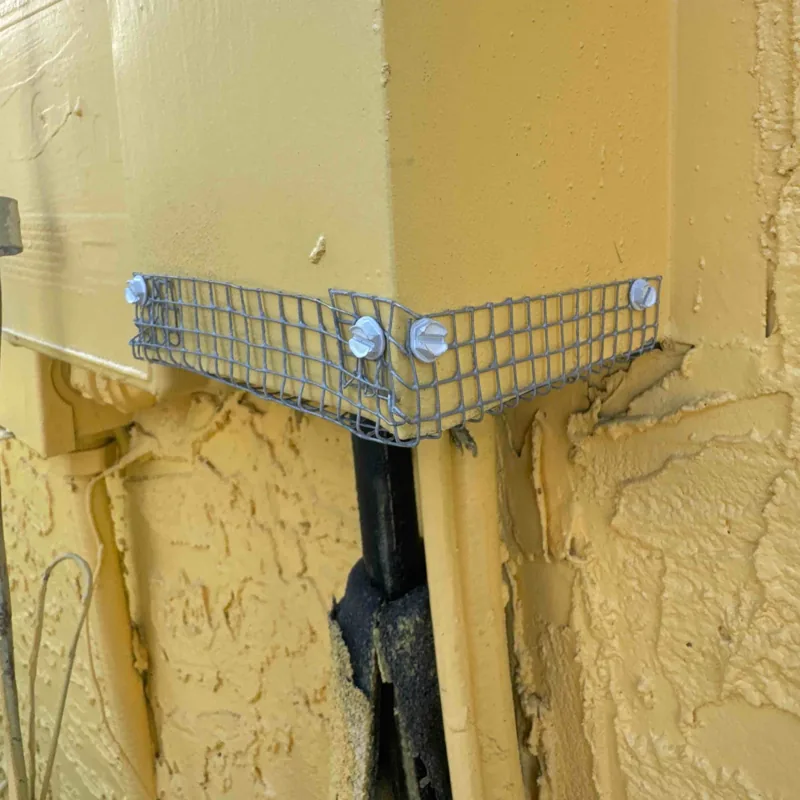
Your estimate should identify which openings will be addressed, how the material will be secured, and any limits to the work. These project photos illustrate repair details; the scope for your home is determined through inspection.
The proposal should set out trapping checks, planned repairs, and return visits. Report continued sounds, sightings, or new damage so we can reassess activity and possible access. Follow-up considers the trapping results and inspection findings rather than assuming one quiet night means the problem is resolved. Keep traps and monitoring equipment in their agreed positions unless we advise otherwise.
Your written estimate should state any warranty duration, the repairs or areas it covers, exclusions, and how to request service. Do not assume that a limited roof repair covers every possible entry point or guarantees no future outdoor rodent activity.
Exclusion addresses building access. Reducing food and shelter around the property supports that work and helps you notice changes sooner.
For local landscaping guidance, see UF/IFAS advice on preventing pests from entering the home.
Avoid sweeping or vacuuming rodent waste. CDC recommends specific cleaning and disinfecting precautions, with additional measures for heavy infestations. Keep people and pets away from affected materials and discuss the cleanup scope after inspection. See the CDC rodent-cleanup guidance; spraying a deodorizer does not replace removal of contaminated materials.
Not necessarily. Timing, location, droppings, gnawing, and accessible entry points help distinguish a rodent concern from other wildlife or building-related noise. Tell us what you hear; inspection is needed before identifying the cause.
Trapping addresses current activity. When accessible openings remain, new rodents may enter. Removal and exclusion should be considered together.
Yes. Let us know what you hear or see and where. Inspection depends on safe access to the affected areas.
There is no reliable completion date before assessing the activity and access. Trapping may require multiple checks, and exclusion repairs may be scheduled separately. Ask what follow-up is included in your proposal.
The method is discussed after inspection. Our service process includes trapping and structural exclusion; exterior bait stations may be proposed where appropriate. Tell us about existing products, pets, and access concerns so the plan can account for them.
New activity is possible if access remains available. We consider removal and accessible entry-point repairs together, and identify any areas outside the agreed scope.
Some accessible openings can be addressed with targeted exclusion. Structural, roofing, plumbing, or ventilation defects may require the appropriate trade. We explain the proposed exclusion scope and its limits before proceeding.
Not every rodent concern calls for full insulation replacement. Restoration recommendations depend on observed conditions, affected materials, and access. Ask for that work to be described and priced separately.
We assess reported activity in accessible areas and consider how rodents may be moving through the building. Hidden spaces and unsafe access can limit inspection. We explain those limits and the proposed next steps before proceeding.
Yes. SWAT is based in Hollywood and serves Broward and Miami-Dade, including West Park and Miami Gardens, where the exclusion projects above were completed. Check our service areas and send your city and property details to confirm the next step.
Send your city, property type, where you noticed activity, when it occurs, and any photos you can take without entering an attic or climbing onto a roof. An onsite assessment may still be needed to define repairs and pricing.