
Raccoon Inspection
We look for activity, roofline damage, droppings, tracks, and accessible entry points. If the concern is inside an attic, the inspection helps determine how the space is being used and which access points need attention.
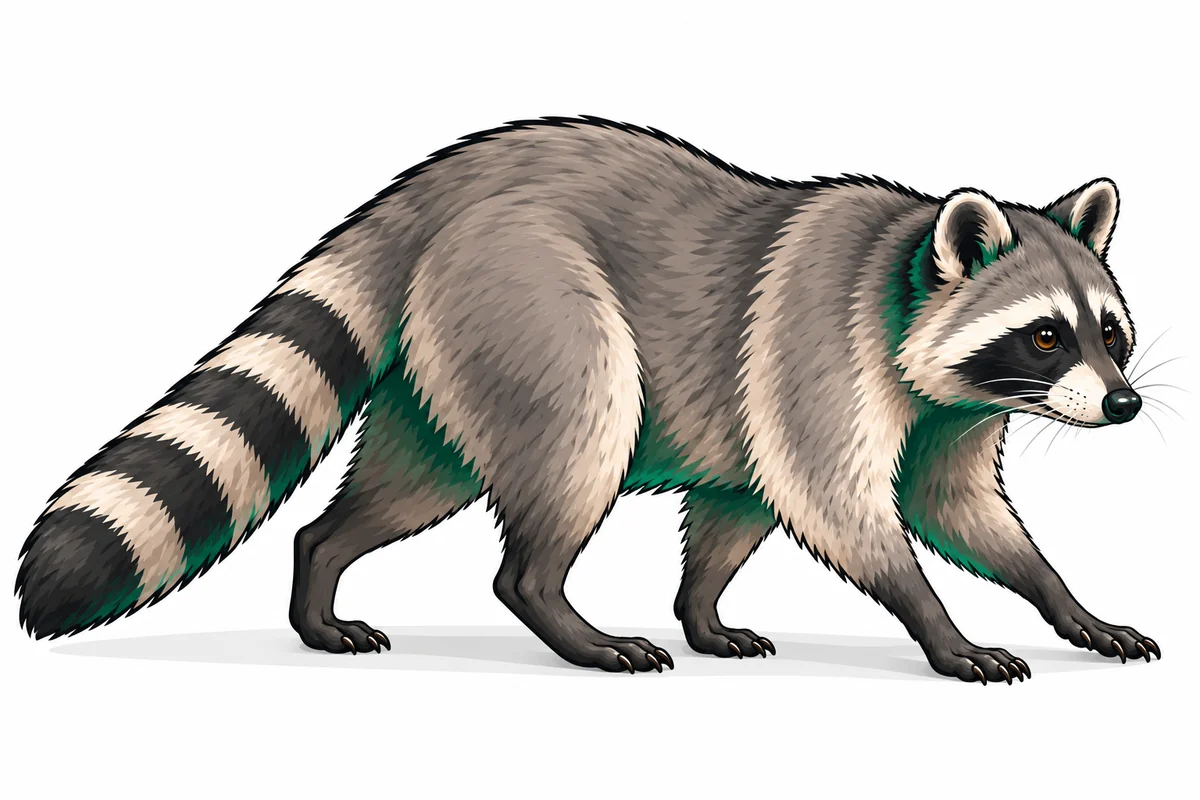
Help with raccoons around roofs, attics, and outdoor areas.
Family-owned · Over 25 years of industry experienceRaccoons can use roofs and attics for shelter and return to reliable food sources around a property. We inspect accessible signs of activity and building access, then recommend a plan based on the situation. Before exclusion, the assessment considers whether animals may be occupying the space.
If you notice any of these signs, an inspection can help establish what is happening and what to do next.
Raccoon removal addresses both the current activity and the opening that made entry possible. We inspect roofs, attics, and accessible exterior areas, evaluate occupancy, and explain a removal and repair plan suited to the property.
We look for activity, roofline damage, droppings, tracks, and accessible entry points. If the concern is inside an attic, the inspection helps determine how the space is being used and which access points need attention.

Traps, monitoring, or appropriate one-way methods may be included based on the location and occupancy. We explain the planned sequence and how entry points will be addressed after the activity is resolved.
Common areas of concern include roof vents, plumbing stacks, air-conditioning chase lines, roof returns, utility lines, soffits, and crawl vents. Exclusion materials are selected for the opening; vulnerable areas can require metal reinforcement or other durable repairs.

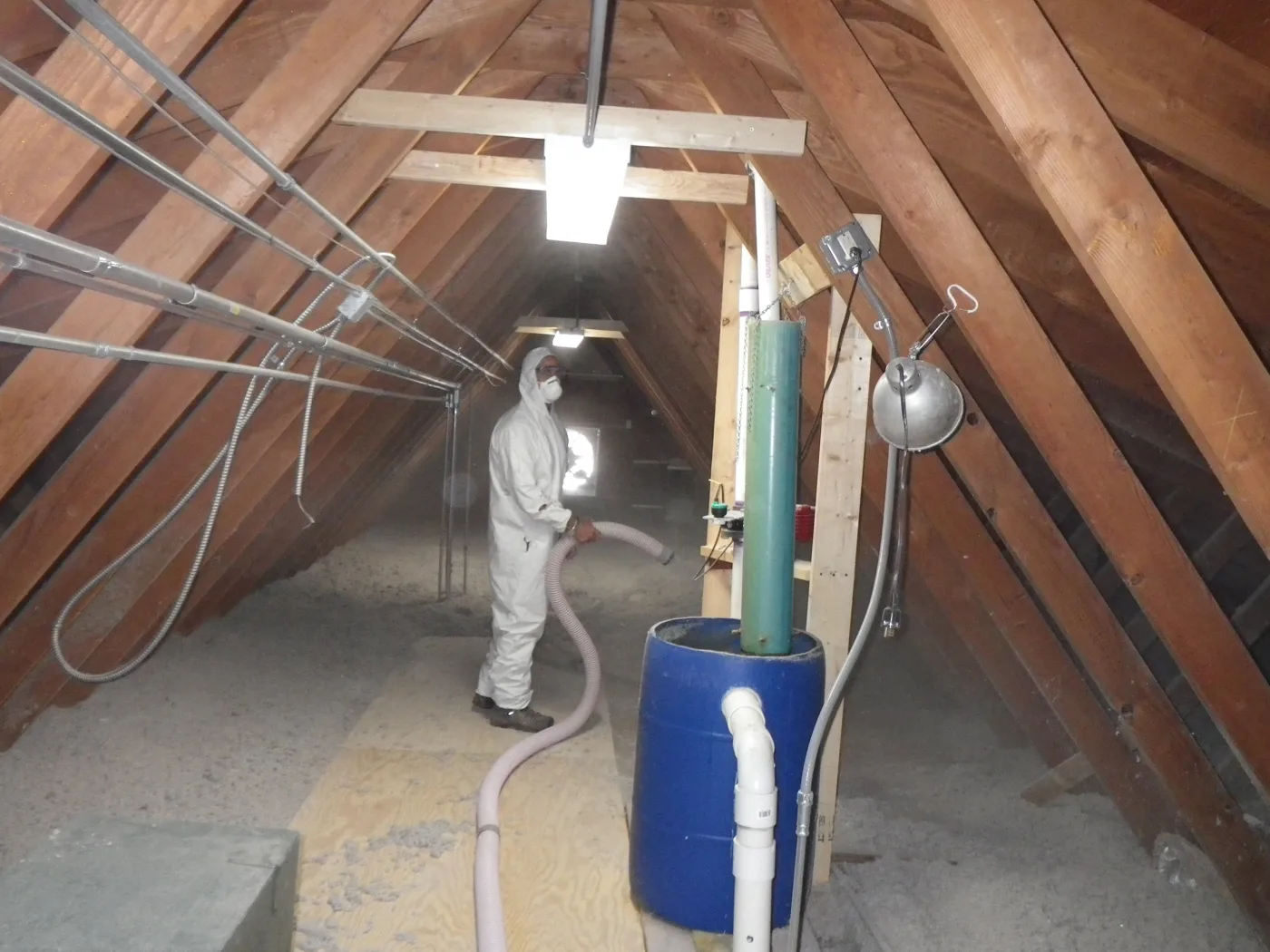
We assess contaminated or damaged insulation, ductwork concerns, and other affected materials. Removal, cleanup, sanitation, insulation restoration, and any recommended ectoparasite treatment are discussed based on findings and included only within the agreed scope.
Yes. Damaged or vulnerable roofline areas can provide access. An inspection can help identify the affected entry points.
Keep your distance and avoid handling wildlife. Tell us where the animal is and whether it appears to be inside the structure.
Keeping Raccoons Away from Your Backyard at Night: A Professional Guide